
Traditional use
Used ceremonially and medicinally by the Bwiti tradition of Gabon and surrounding regions for centuries. Traditionally consumed in ritual contexts and historically applied in low doses as a stimulant for hunting and long journeys.
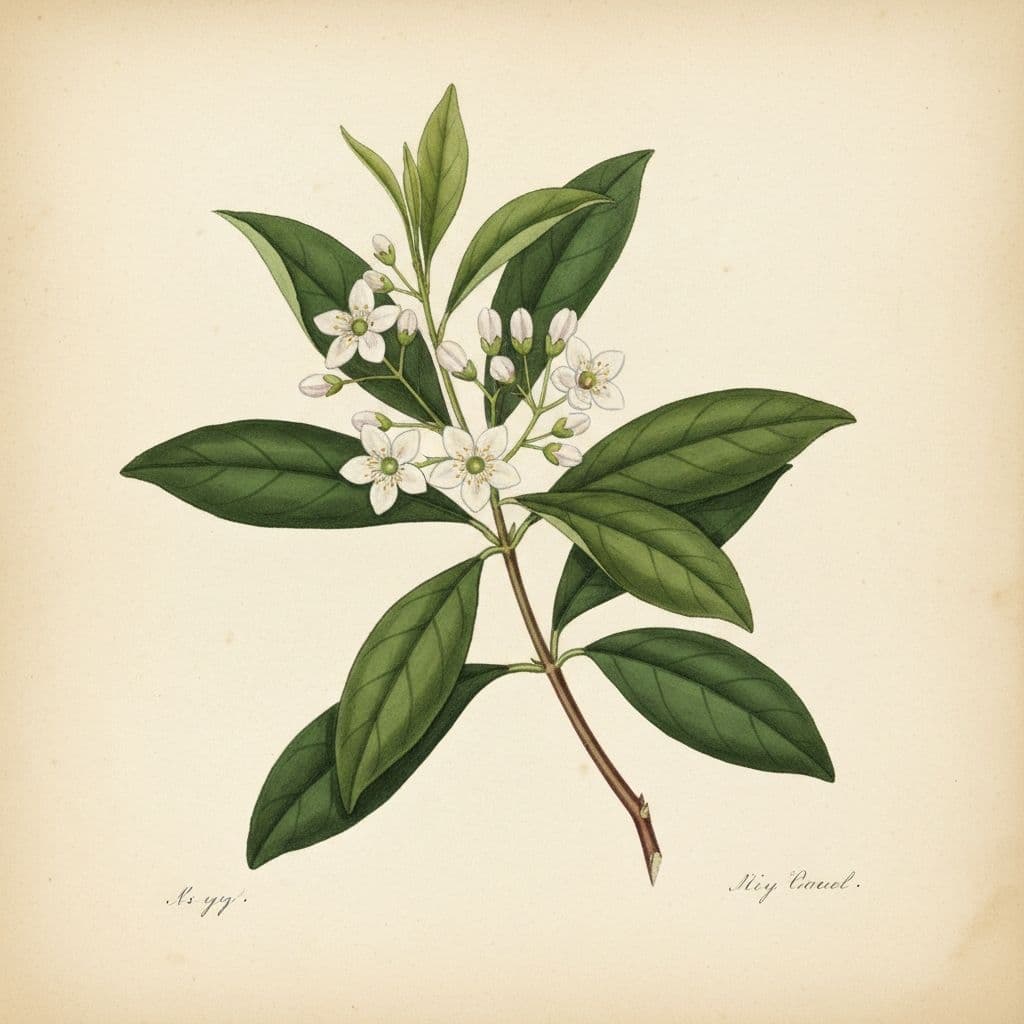
Tabernanthe iboga
Family · Apocynaceae
Tabernanthe iboga is a perennial rainforest shrub native to West and Central Africa. The root bark contains a complex profile of indole alkaloids, principally ibogaine and ibogamine, which have attracted research interest for their multi-target neuropharmacology.
Iboga (Tabernanthe iboga) is supplied by Phyto-Medichem as a standardised extract from our manufacturing facility. Marker compound: Ibogaine (C20H26N2O). Currently in active research and development. Sourced from Gabon, Cameroon, Republic of the Congo. Per-batch Certificate of Analysis from our in-house HPLC analytical laboratory.
| Marker compound | Ibogaine |
|---|---|
| Molecular formula | C20H26N2O |
| PubChem CID | 197060 |
| Botanical family | Apocynaceae |
| Source region | Gabon, Cameroon, Republic of the Congo |
| Pipeline stage | Discovery |
C20H26N2O
The principal characterised compound for Iboga. Structure data and identifiers sourced from PubChem.
View on PubChem (CID 197060)Used ceremonially and medicinally by the Bwiti tradition of Gabon and surrounding regions for centuries. Traditionally consumed in ritual contexts and historically applied in low doses as a stimulant for hunting and long journeys.
Standardisation programme. Work is focused on alkaloid profiling, sustainability of source material, and standardised extract development under licensed research frameworks.
Regulatory status varies significantly by jurisdiction and is highly restricted in many markets. All Phyto-Medichem activity involving iboga is conducted in full compliance with applicable national and international regulations, under licensed research frameworks only.
Sourcing is approached with strict attention to conservation status, CITES considerations, and benefit-sharing with traditional knowledge holders in source countries.
Selected reviews and primary studies indexed on PubMed / PMC. The mechanism-of-action framings on this page are drawn from peer-reviewed pharmacology; consult these sources for the underlying evidence and methodology.
Recent scoping review covering pharmacology and safety profile.
Systematic review of preclinical addiction research.
Foundational characterisation of the NMDA mechanism.
For research and ingredient-supply context only
Mechanism, traditional-use, and application descriptions on this page are presented as pharmacological research context for B2B formulators, buyers, and licensing partners. They do not constitute medical advice, regulatory claims, or a guarantee of therapeutic effect, and downstream product claims remain the responsibility of the formulator under their jurisdiction's regulations. See the regulatory notes block above for compound-specific market context.
Contact us to discuss licensing opportunities, custom development, or research partnerships around this compound.