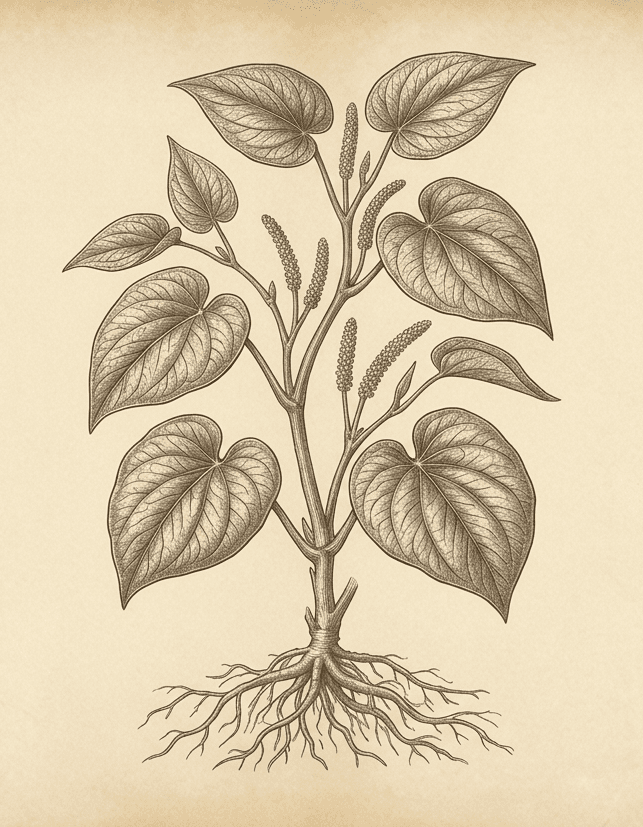
Traditional use
Used ceremonially and medicinally across Polynesian cultures for over 3,000 years. Traditionally prepared as an aqueous extract of the root for social gatherings, religious ceremonies, and treatment of anxiety and insomnia.
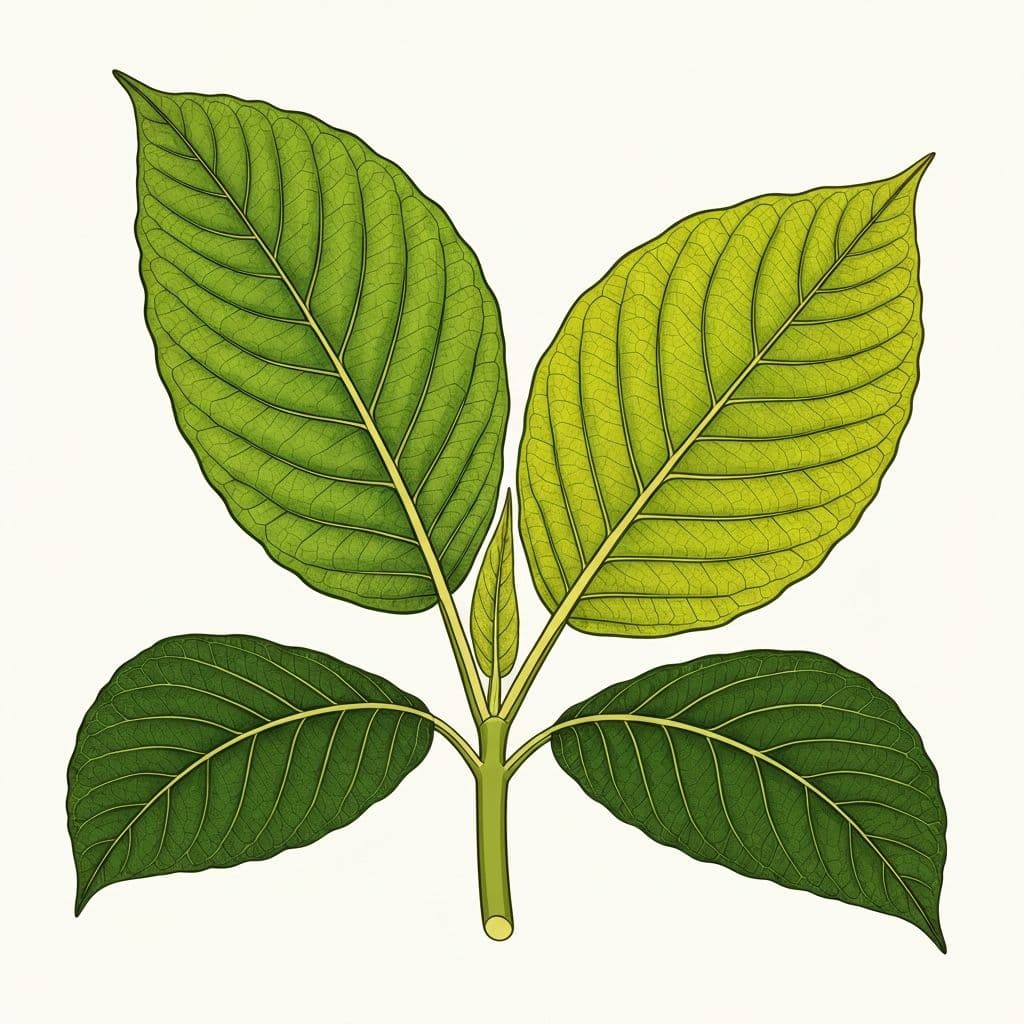
Piper methysticum
Family · Piperaceae
Kava is a Pacific Islands crop valued for relaxing and anxiolytic properties. The root is rich in kavalactones, a class of lactone compounds responsible for its psychoactive effects.
Kava (Piper methysticum) is supplied by Phyto-Medichem as a standardised extract from our manufacturing facility. Marker compound: Kavain (C14H14O3). Available now for commercial supply. Sourced from Pacific Islands (Fiji, Vanuatu, Papua New Guinea). Per-batch Certificate of Analysis from our in-house HPLC analytical laboratory.
| Marker compound | Kavain |
|---|---|
| Molecular formula | C14H14O3 |
| PubChem CID | 5281565 |
| Botanical family | Piperaceae |
| Source region | Pacific Islands (Fiji, Vanuatu, Papua New Guinea) |
| Pipeline stage | Commercial Supply |
| Commercial status | Commercial |
| Catalogue SKU | COM-KAV-001 |
C14H14O3
The principal characterised compound for Kava. Structure data and identifiers sourced from PubChem.
View on PubChem (CID 5281565)Used ceremonially and medicinally across Polynesian cultures for over 3,000 years. Traditionally prepared as an aqueous extract of the root for social gatherings, religious ceremonies, and treatment of anxiety and insomnia.
Commercial supply via kavalactone-standardised extract. Continued chemotype monitoring across cultivars and Pacific Island origins.
Regulatory status varies by jurisdiction. Approved in most markets with quality controls. Some restrictions in Europe following historical hepatotoxicity concerns (now attributed to poor-quality preparations using aerial parts rather than noble kava root).
We source noble kava cultivars exclusively from established farming communities in Fiji and Vanuatu, ensuring chemotype quality and sustainable harvesting practices.
Selected reviews and primary studies indexed on PubMed / PMC. The mechanism-of-action framings on this page are drawn from peer-reviewed pharmacology; consult these sources for the underlying evidence and methodology.
Recent clinical neuroimaging study of GABAergic mechanism.
Molecular mechanism of kavain–GABA-A receptor interaction.
Updated review covering pharmacology and safety, including noble-vs-tudei cultivar context.
For research and ingredient-supply context only
Mechanism, traditional-use, and application descriptions on this page are presented as pharmacological research context for B2B formulators, buyers, and licensing partners. They do not constitute medical advice, regulatory claims, or a guarantee of therapeutic effect, and downstream product claims remain the responsibility of the formulator under their jurisdiction's regulations. See the regulatory notes block above for compound-specific market context.
Contact us to discuss licensing opportunities, custom development, or research partnerships around this compound.